Why Spider Plants Never Go Out of Style and Why Yours Might Be Struggling
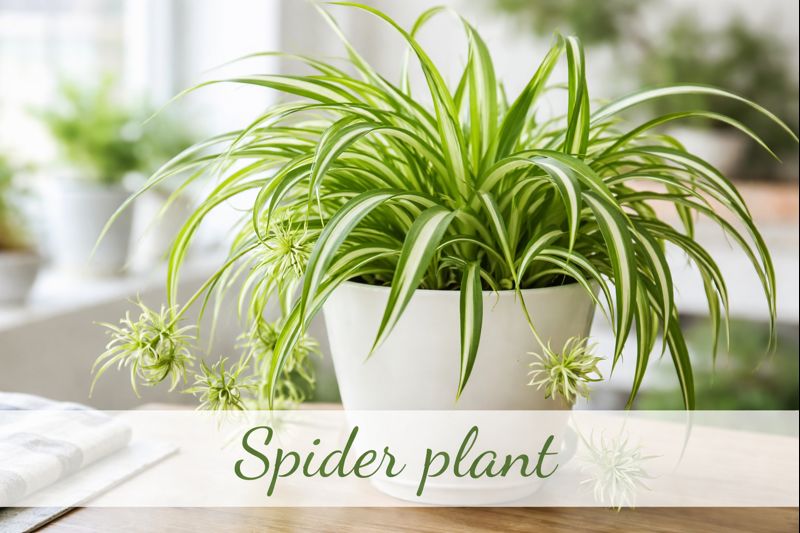
Why Surviving Isn’t the Same as Thriving for Spider Plants
Spider plants have been sitting quietly in our lives for decades.
They hang in old kitchens, offices, dorm rooms, and balconies without ever asking for attention, and somehow they still look familiar no matter the era.
I have seen them passed down like recipes or photo albums.
A cutting from a neighbor, a baby from a parent, a plant that has moved apartments more times than you can count.
So why is it that a plant known for being easy still ends up looking tired in so many homes?
If they are truly beginner friendly, why do so many people whisper that they are doing something wrong?
The Quiet Popularity of Spider Plants
Spider plants never needed a trend cycle to survive.
They were loved long before plant shelves became a thing and long before houseplants turned into online personalities.
They fit into almost any space without clashing.
Bright rooms, dim corners, busy households, rented apartments, they adapt without making a fuss.
That quiet adaptability made them timeless.
They did not need to impress, and that is exactly why they stayed.
Familiar Plants Carry Expectations
Because spider plants are everywhere, we expect too much from them.
We assume they will thrive no matter what we do or do not do.
When a leaf tip turns brown or growth slows, it feels confusing.
Was this not supposed to be the easy one?
This gap between expectation and reality is where frustration starts.
Spider plants survive neglect, but thriving is a different conversation entirely.
Survival Is Not the Same as Thriving
A spider plant can stay alive while slowly struggling.
That is something many people do not realize until years later.
Leaves might stay green but lose their shine.
Growth continues but feels hesitant, almost cautious.
Plants communicate quietly.
Spider plants especially so.
Why Spider Plants Are So Forgiving
Their roots are thick and resilient.
They store energy and water, allowing the plant to ride out missed care.
This is a gift for beginners and busy people.
It is also the reason spider plants are often forgotten until something looks wrong.
When a plant never collapses dramatically, it is easy to assume it is fine.
But subtle stress builds over time.
The Myth of the Indestructible Plant
Calling spider plants indestructible does them no favors.
It invites neglect dressed up as confidence.
They tolerate low light but do not love it.
They handle inconsistent watering but still respond to rhythm.
A plant that survives anything does not need care.
A plant that thrives responds to it.
How Stress Shows Up Slowly
Spider plants rarely throw tantrums.
They do not wilt overnight or drop leaves suddenly.
Instead, they whisper.
Tips brown slowly, growth pauses, babies stop appearing.
Many owners only notice when the plant looks permanently tired.
By then, the stress has been quietly stacking up.
Brown Tips Are Not a Moral Failure
Almost every spider plant owner sees brown tips eventually.
It is not a sign you are bad at plants.
Sometimes it is water quality.
Sometimes it is dry air or mineral buildup or simply time.
Brown tips are often the result of accumulated stress rather than one mistake.
The plant is not angry, it is communicating.
Light Is Often the Missing Piece
Spider plants tolerate low light, but tolerance is not preference.
They grow best when light feels gentle but present.
Too little light leads to pale leaves and weak growth.
Too much direct sun causes scorch and frustration.
Bright indirect light changes everything.
It brings back color, energy, and confidence.
Apartments Create Their Own Challenges
Small spaces come with limited options.
Windows face odd directions and furniture decides where plants can live.
Spider plants adapt to these conditions better than most.
But even they feel the strain over time.
Light that shifts seasonally can confuse growth patterns.
A plant that once thrived might quietly stall.
Watering Habits Matter More Than Frequency
Most spider plant issues are not about how often you water.
They are about how you water.
Soggy soil suffocates roots slowly.
Dry soil for too long drains stored energy.
Feeling the soil tells you more than any schedule ever will.
Plants respond to attention, not calendars.
Pots and Drainage Are Silent Influencers
A pot without drainage holds onto mistakes.
Water has nowhere to go, and roots pay the price.
Spider plants prefer to dry slightly between watering.
They need oxygen as much as moisture.
Sometimes the plant is fine.
The container is the problem.
Old Soil Gets Tired Too
Soil does not stay healthy forever.
Over time it compacts and loses airflow.
Roots struggle even if watering feels correct.
Nutrients become uneven and inconsistent.
Refreshing soil is like opening a window in a stuffy room.
The plant responds almost immediately.
Why Spider Plant Babies Matter
Those dangling babies are not decorations.
They are signals.
Producing spiderettes means the plant feels stable and confident.
It has enough energy to reproduce.
When babies disappear, something has shifted.
Light, stress, age, or root congestion often play a role.
Fertilizer Is Not a Magic Switch
Many people reach for fertilizer hoping for quick results.
But feeding a stressed plant rarely fixes the problem.
Without proper light and healthy roots, fertilizer does little.
Sometimes it adds to the stress.
Spider plants respond better to consistency than intensity.
Small care adjustments matter more than strong feeds.
Root Bound Is Not Always a Crisis
Spider plants tolerate tight roots better than most.
They often bloom and produce babies when slightly snug.
But extreme crowding limits water absorption.
Growth slows even if leaves look fine.
Checking roots does not mean immediate repotting.
It means understanding what is happening below the surface.
Helping a Struggling Spider Plant Recover
Recovery does not need drama.
It starts with observation.
Adjust light gradually.
Refresh soil if it smells stale or feels dense.
Water with intention rather than habit.
Give the plant time to respond.
Plants Need Time to Trust Again
Stress does not disappear overnight.
Spider plants rebuild slowly.
New growth is the real signal of recovery.
Old damage rarely reverses completely.
Patience matters here.
Plants move at their own pace.
Why Beginners Learn Best With Spider Plants
Spider plants teach restraint.
They show what happens when care is gentle and consistent.
Mistakes rarely end in disaster.
That safety builds confidence.
They encourage observation over control.
That skill transfers to every other plant.
Low Maintenance Does Not Mean No Maintenance
Low maintenance means forgiving, not invisible.
Spider plants still need to be seen.
A quick glance while watering.
A small shift toward better light.
Tiny actions accumulate.
That is where thriving happens.
Living in Warm or Tropical Climates
Heat changes everything.
Soil dries faster and salts build up more quickly.
Spider plants handle warmth well.
But they still appreciate airflow and balance.
In hotter regions, lighter watering and brighter shade often work best.
Listening to the environment matters as much as care routines.
Styling Spider Plants Without Stress
Hanging baskets give them room to move.
Shelves near windows keep light consistent.
They soften hard edges in small apartments.
They fill space without overwhelming it.
Spider plants do not demand center stage.
They complement rather than compete.
Why They Still Belong in Modern Homes
Trends come and go.
Spider plants remain.
They connect generations of plant lovers.
They remind us that beauty does not have to be complicated.
A healthy spider plant feels alive, not perfect.
That authenticity is timeless.
When You Feel Like Giving Up
Every plant owner reaches that moment.
The question of whether it is worth trying again.
Spider plants rarely need replacing.
They usually need understanding.
A tired plant is not a failure.
It is an invitation to learn.
Conclusion
Spider plants stay with us because they meet us where we are.
They forgive busy weeks, small spaces, and imperfect care.
When they struggle, it is rarely about one mistake.
It is about small signals we missed along the way.
Paying attention changes the relationship.
The plant responds, slowly but sincerely.
Maybe that is why spider plants never go out of style.
What if yours is not failing, but simply waiting for you to notice it differently?