Why Peace Lilies Thrive Even When You Forget About Them
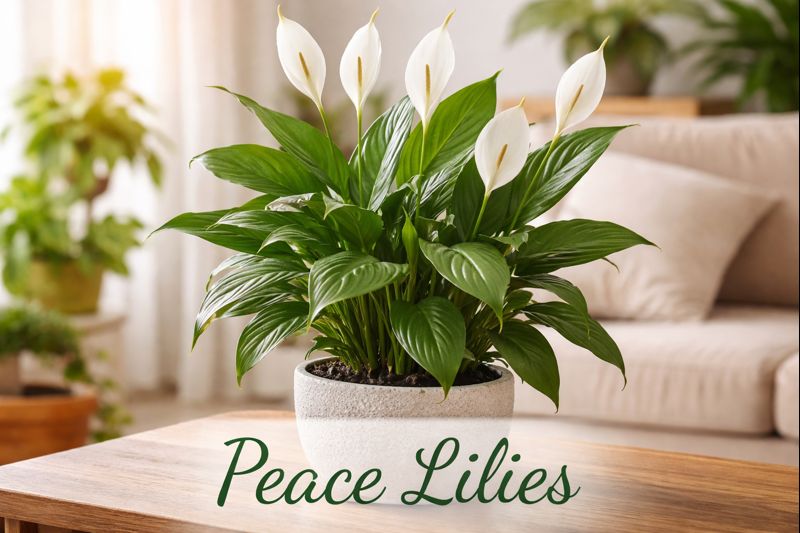
Why Peace Lilies Thrive Even When Forgotten
If there is one plant that seems to quietly forgive human distraction, it is the peace lily. I have watched them sit in forgotten corners of apartments, offices, and student rooms, only to perk back up the moment someone finally notices them again. That kind of patience feels rare in the plant world, does it not?
As a botanist, I still find it comforting. Life gets busy. Schedules slip. Watering days blur together. And yet the peace lily stays, waiting, not in protest but in trust.
Built for Unpredictable Conditions
This plant does not thrive because it is weak or careless about its needs. It thrives because it understands stress in a way many houseplants do not. That quiet strength comes from where it evolved.
Peace lilies developed in environments where rain never followed a schedule and light constantly shifted. Roots learned to wait. Leaves learned to slow down. Survival meant patience, not speed.
Forgetting Mimics the Wild More Than You Think
That history matters more than most care guides admit. When you forget about your peace lily for a while, you are not breaking it. You are accidentally copying the rhythm it already knows.
Dry periods followed by relief are familiar to this plant. It pauses growth, conserves energy, and waits for better conditions without panic.
The Famous Droop Is a Conversation
I have seen beginners panic the first time leaves bend dramatically. The reaction makes sense. Drooping looks serious. It feels like failure.
But for a peace lily, drooping is communication. Water pressure drops, leaves soften, and the plant sends a clear signal. When watered, the response is fast and forgiving.
Recovery That Feels Almost Magical
Few plants rebound the way a peace lily does. Within hours, leaves begin lifting again. Stems straighten. The plant looks renewed, not resentful.
That moment often hooks people into plant care. It proves that mistakes are survivable.
Low Light Is Not a Deal Breaker
Peace lilies do not demand bright sun. In fact, harsh light can stress them faster than shade. Soft indirect light suits them perfectly.
This is why apartments work so well. Windows that never get direct sun. Corners that stay gently bright. Spaces where light drifts instead of burns.
Slow Growth Is a Survival Strategy
Peace lilies grow slowly on purpose. Producing fewer leaves means using fewer resources. That restraint keeps them stable during stress.
For beginners, slow growth feels like relief. There is no pressure to repot constantly or feed aggressively. The plant sets the pace.
Roots That Know When to Hold Back
The roots of a peace lily tolerate drying better than many houseplants. They hold moisture without suffocating and recover once water returns.
Problems usually appear when roots are flooded repeatedly, not when watering is delayed.
Overcare Does More Damage Than Neglect
Many peace lilies suffer because of love, not forgetfulness. Too much water. Too much fertilizer. Too much checking.
Constant interference interrupts the plant’s natural pause and resume cycle. Forgetting now and then often protects it.
Humidity Helps but Perfection Is Not Required
Peace lilies enjoy moisture in the air, but they adapt easily to normal household conditions. Warm climates often provide enough humidity naturally.
Even in dry spaces, the plant adjusts before serious stress appears. Subtle changes show up early if you pay attention.
A Plant That Speaks Clearly
What makes peace lilies special is how honestly they communicate. Drooping asks for water. Yellowing points to excess moisture. Flowers fading signal a shift in energy.
You do not need charts or schedules. Observation is enough.
Why Busy People Succeed With Peace Lilies
Busy professionals and students often think they are bad plant parents. Most are not. They simply live unpredictable lives.
Peace lilies forgive inconsistency. They respond to care when it returns instead of punishing absence.
When Forgetting Goes Too Far
There are limits. No plant survives endless dryness. Leaves thin. Color fades. Growth stops.
Even then, peace lilies often surprise us. A deep watering and patience can reverse weeks of stress.
Lessons Peace Lilies Quietly Teach Us
Plants do not need perfection. They need responsiveness. Missing a moment is not the same as ending the relationship.
Living with a peace lily reshapes how we think about care. It encourages flexibility. It rewards trust.
A Gentle Way to Grow Confidence
Many plant lovers begin with a peace lily. That first success matters. It builds courage to try again.
A forgiving plant makes you braver with the next one.
A Warm Ending Thought
Peace lilies thrive because they accept uncertainty. They bend instead of breaking. They wait instead of rushing.
If a plant can survive being forgotten now and then, maybe we can be gentler with ourselves too, do you think?