Easy Hanging Plants for First Time Plant Parents
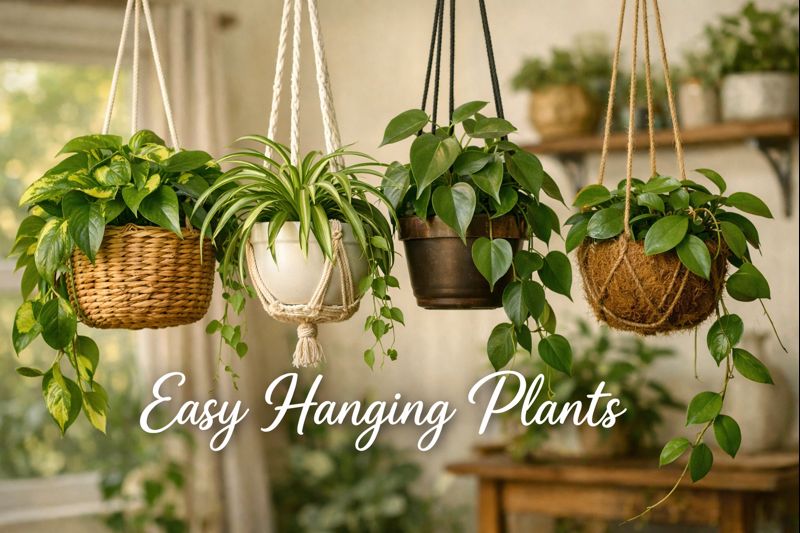
Easy Hanging Plants For Plant Parents
I have met many new plant parents who start their journey with excitement and a little fear. They want green leaves in their home but worry they will mess it up. Hanging plants often sound advanced, but they are actually some of the most forgiving plants you can choose.
As a botanist, I always smile when beginners say they want something simple and beautiful. Hanging plants quietly fit into daily life without demanding too much attention. They grow above the chaos, away from pets, feet, and accidental bumps.
If you have ever looked at a trailing vine and thought it looks hard to care for, you are not alone. But what if I told you that many hanging plants are easier than the ones sitting on shelves. That surprise is often the beginning of plant confidence.
Why Hanging Plants Are a Gentle Start
Hanging plants naturally avoid many beginner mistakes. They are not pushed around, overhandled, or forgotten behind furniture. You see them every day, gently reminding you they exist.
They also tend to be resilient by nature. Many trailing plants evolved to grow under forest canopies, adapting to imperfect light and irregular water. That adaptability is exactly what beginners need.
Another quiet benefit is space. Hanging plants free up floors and tables, making small homes feel calmer and greener at the same time. Who does not want that kind of win early on.
What Makes a Hanging Plant Easy
Easy does not mean boring or plain. Easy means the plant forgives you when life gets busy. It means the leaves tell you what is wrong instead of suffering silently.
An easy hanging plant tolerates missed watering better than constant fussing. It adapts to indoor light instead of demanding sunshine. Most importantly, it grows slowly enough that mistakes are not fatal.
These plants are teachers. They show you how plants communicate without overwhelming you with rules. Once you notice that, caring for them feels more like a relationship than a checklist.
Starting With the Right Mindset
Before choosing a plant, pause for a moment. Ask yourself how much attention you realistically want to give. Not how much you hope to give, but what fits your real routine.
Plants do not need perfection. They need consistency and patience. When beginners stop chasing flawless care, plants often respond with healthier growth.
It is okay to learn as you go. Every botanist you admire has killed plants along the way. Growth comes from observation, not guilt.
Golden Pothos
Golden pothos is often the first plant I recommend to beginners. It is resilient in a way that feels almost magical. Miss a watering or place it in lower light and it still keeps going.
The leaves are expressive and honest. When it needs water, they soften slightly. When it gets enough light, new leaves unfurl with enthusiasm. It communicates clearly, which builds confidence fast.
As a hanging plant, pothos trails beautifully without much effort. You can trim it, ignore it, or move it around and it adapts. That flexibility is a gift to new plant parents.
Spider Plant
Spider plants feel playful and encouraging. Their arching leaves and baby plantlets make them feel alive and responsive. Beginners love seeing visible signs of success.
They prefer bright indirect light but tolerate less than ideal conditions. If you forget to water once in a while, they forgive you. Over time, they reward care with steady growth.
Hanging a spider plant also keeps its leaves from bending awkwardly. It allows the plant to grow as it wants, which often leads to healthier foliage.
Heartleaf Philodendron
Heartleaf philodendron has a softness that feels comforting. The leaves are smooth and flexible, adapting well to indoor environments. It thrives in medium light but survives lower light without drama.
This plant grows steadily rather than explosively. That slow pace gives beginners time to adjust their care habits. You learn what works before problems appear.
As a hanging plant, it creates gentle vines that soften a room. It asks for little and gives a lot in return.
Hoya
Hoyas are a bit different. They grow slowly and prefer less water, which surprises many beginners. Their thick leaves store moisture, allowing them to tolerate dry spells.
They do not rush. A hoya teaches patience in a quiet way. When it grows, it grows well, and when it rests, it simply waits.
Hanging hoyas thrive in bright indirect light. They are excellent for people who tend to overwater because they clearly show when they need less attention.
English Ivy
English ivy has a classic trailing look that many people love. It prefers bright spaces and good airflow. While it is slightly more sensitive, it still works well for attentive beginners.
The key with ivy is moderation. Water when the soil feels slightly dry and avoid hot, dry air. When conditions suit it, ivy grows gracefully.
Hanging ivy allows its vines to drape naturally, reducing stress on the stems. Placement makes all the difference with this plant.
Choosing the Right Spot
Where you hang your plant matters more than the plant itself. Bright indirect light is ideal for most hanging plants. A few steps away from a window is often perfect.
Avoid placing plants near heat vents or strong sun. These spots dry out soil quickly and stress leaves. Gentle light supports steady growth.
Hang plants low enough that you can see them easily. Observation is how beginners learn. If you forget a plant exists, it becomes harder to care for.
Watering Without Overthinking
Watering is where many first time plant parents feel stuck. Hanging plants dry out faster because air circulates around them. This is normal and manageable.
Instead of schedules, use your fingers. Feel the soil before watering. If it feels dry near the top, it is time to water.
Water thoroughly until excess drains out. Let the plant settle and dry naturally. Trust that plants know how to use what they need.
Pots and Drainage Basics
Drainage matters more than fancy containers. Always choose pots with holes at the bottom. This prevents water from sitting around roots.
Lightweight pots make hanging easier and safer. Plastic or thin ceramic works well indoors. Heavy containers add stress to hooks and ceilings.
Use a well draining soil mix. It does not need to be perfect. It just needs to allow air to reach roots.
Common Beginner Mistakes
Overwatering is the most common issue I see. It often comes from caring too much. Remember that roots need oxygen as much as water.
Another mistake is hanging plants too high. When you cannot see leaves closely, you miss early signs of stress. Plants thrive when observed.
Ignoring small changes can also lead to trouble. Yellowing leaves or limp stems are gentle warnings. Listen early and adjust slowly.
How to Know Your Plant Is Happy
Happy hanging plants hold their leaves upright or gently curved. New growth appears regularly, even if slowly. Color stays rich and consistent.
You may notice leaves reaching toward light. This is normal and healthy. It means the plant is responding to its environment.
When a plant feels balanced, it grows without drama. That quiet steadiness is a sign you are doing something right.
Trimming and Growing Confidence
Trimming can feel scary at first. But most hanging plants respond well to gentle cuts. It encourages fuller growth and healthier vines.
Use clean scissors and cut just above a leaf node. Over time, you will see new branches form. That moment builds confidence fast.
Trimmings can become new plants. Watching a cutting root is one of the most rewarding experiences for beginners.
Learning Through Observation
Plants are not puzzles to solve. They are living organisms responding to their surroundings. When you slow down, they tell you what they need.
Spend a few seconds each day looking at your plants. Touch the soil. Notice leaf texture. These small habits build intuition.
Confidence grows quietly. One healthy leaf at a time, you begin to trust yourself.
Growing Into Plant Parenthood
Starting with easy hanging plants creates positive momentum. You see progress instead of failure. That feeling changes how you approach plant care.
Over time, you may explore new species or techniques. Or you may stay with simple plants and enjoy them deeply. Both paths are valid.
Plants are not tests to pass. They are companions that grow alongside you.
A Gentle Ending
If you are new to plants, hanging plants can be your safest entry point. They offer beauty, forgiveness, and space to learn without pressure.
Each trailing vine is a reminder that growth does not need to be rushed. With patience and curiosity, confidence follows naturally.
So if a plant can grow steadily while hanging quietly in the corner, maybe you can too, do you think?