Can Aloe Vera Really Thrive Indoors? What Small Spaces Get Right and Wrong
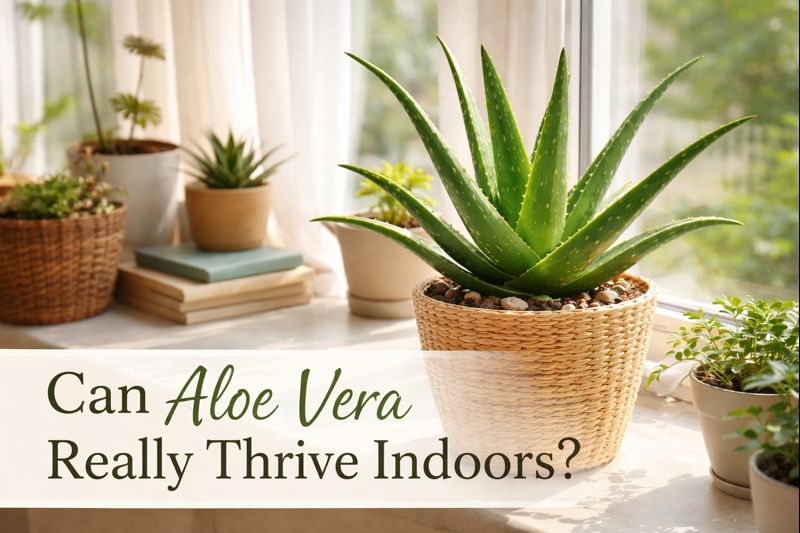
Why Aloe Vera Thrive Indoors
There is a reason Aloe Vera keeps showing up on lists of easy houseplants. Thick leaves. Calm posture. A quiet promise that it will not demand too much. For people living in apartments or shared spaces, that promise feels comforting.
But comfort and truth are not always the same thing. Aloe can live indoors, yes. The real question is whether it is thriving or simply waiting.
I have seen Aloe Vera sit on windowsills for years looking fine enough, not growing much, not dying either. It is easy to mistake stillness for health when nothing dramatic is happening. Plants are patient that way.
The Environment Aloe Thinks It Is In
Aloe evolved in places where the sun is honest and the soil dries completely between rains. Air moves freely. Heat is steady. Roots stretch without bumping into ceramic walls.
Indoors, especially in small spaces, those signals are softened. Light is filtered. Air is still. Water arrives on a schedule rather than as a response to drought. Aloe notices these differences even when we do not.
That does not mean indoor life is wrong for Aloe. It just means Aloe adjusts quietly and not always in ways we expect.
Why Aloe Seems Perfect for Apartments
Aloe stores water in its leaves, which gives people confidence. Miss a watering. Skip a week. Nothing terrible happens. That feels like success.
Slow growth also plays tricks on us. When a plant does not grow quickly, it also does not show stress quickly. Problems arrive late and softly. By the time leaves thin or fade, the cause happened weeks ago.
In small spaces where attention is divided, this delayed response makes Aloe feel forgiving. In reality, it is simply patient.
What Small Spaces Actually Get Right
Indoor living does offer Aloe some real advantages. Controlled environments are not always a bad thing.
Watering tends to be lighter indoors. Smaller pots dry faster, especially near windows. Many apartment dwellers under water without realizing it, which Aloe secretly appreciates.
Temperatures indoors are also steady. Aloe dislikes sudden cold far more than consistent warmth. A stable room often feels safer than an unpredictable outdoor climate.
Protection matters too. No pounding rain. No wind tearing leaves. No insects chewing quietly overnight. Aloe indoors often looks clean and intact for this reason alone.
Light That Looks Bright But Is Not
This is where many small spaces quietly fail Aloe. Human eyes adjust easily. A bright room feels sunny enough. Aloe disagrees.
Windows filter light more than we realize. Indirect light feels gentle and calm, but Aloe evolved under direct sun that left no ambiguity. Without enough intensity, Aloe stretches slowly, leaves thinning as it reaches.
People often notice the lean before understanding the cause. They rotate the pot. They move it weekly. Aloe just wants stronger light and a little patience.
Air That Never Moves
Air circulation is rarely discussed in indoor plant care, yet Aloe feels it deeply. Still air traps moisture around the soil surface. Roots stay damp longer than they should.
In small rooms with closed windows, this stagnant air can quietly invite rot even when watering feels conservative. Aloe does not need wind, but it does need movement.
Sometimes opening a window or placing Aloe near a walkway changes everything. The solution is often simpler than expected.
The Pot That Decides Everything
Containers matter more than décor suggests. Aloe roots dislike sitting in moisture, yet many decorative pots trap water without warning.
Drainage holes are not optional for Aloe. Shallow containers can also restrict growth, forcing roots to circle instead of explore. When roots struggle, leaves follow.
Aloe rarely complains loudly about its pot. It just slows down and waits.
Care That Feels Helpful But Is Not
Indoor plant owners tend to show love through action. Watering. Wiping leaves. Moving plants to better spots.
Aloe prefers restraint. Frequent repositioning interrupts its sense of direction. Rotating too often prevents leaves from strengthening toward light.
Even cleaning leaves can remove the natural coating that protects them. Aloe evolved to handle dust and sun without assistance.
Sometimes the most caring thing is to step back.
How Aloe Shows Stress Indoors
Aloe does not panic. It communicates slowly. Leaves may thin, losing that plump confidence. Color may fade from green to pale or yellow.
Texture tells stories too. Soft leaves often mean too much moisture. Curled tips may suggest light hunger.
These signs are not failures. They are conversations. Aloe is asking, not accusing.
Thriving Versus Surviving
Many indoor Aloes survive. Fewer truly thrive. Thriving Aloe grows new leaves steadily, thick and upright. Color stays rich. Structure feels balanced.
Thriving does not mean rapid growth. Aloe is never dramatic. It simply looks comfortable in its own skin.
Survival looks quieter. A plant that exists without enthusiasm. Still alive, but not expanding.
Both states are valid. Only one feels satisfying long term.
Making Small Spaces Work Better
Small adjustments matter more than big changes. Choosing the brightest window you have is often enough. South or west facing windows tend to feel closest to home for Aloe.
Allow soil to dry fully. Not just the surface, but deep down. Aloe roots appreciate real drought.
Let air move naturally. Let Aloe stay still. Consistency builds trust between plant and caretaker.
Indoor Aloe Versus Outdoor Aloe
Outdoor Aloe grows faster. Leaves thicken under full sun. Colors deepen.
Indoor Aloe trades speed for stability. It grows slowly but steadily when conditions are right. Neither version is better. They are simply different lives.
Understanding this comparison helps set realistic expectations. Indoor Aloe is not lazy. It is adapting.
Who Indoor Aloe Is Truly For
Aloe suits people who enjoy quiet companionship. Those who forget occasionally. Those who do not need constant feedback.
Apartment dwellers. Students. Busy professionals. People in warm climates who want greenery without chaos.
Aloe rewards patience more than effort.
A Quiet Ending
Aloe Vera does not ask for perfection. It asks for light, dry soil, and time. In small spaces, those gifts are possible when we stop trying so hard.
Indoor Aloe thrives not when we control it, but when we listen. When we let stillness do some of the work. When we trust slow growth.
And maybe that is the lesson Aloe offers indoors. In crowded lives and small rooms, what if thriving sometimes looks like doing less and paying closer attention instead?