Monstera Care 101: How to Grow a Lush, Fenestrated Plant Indoors
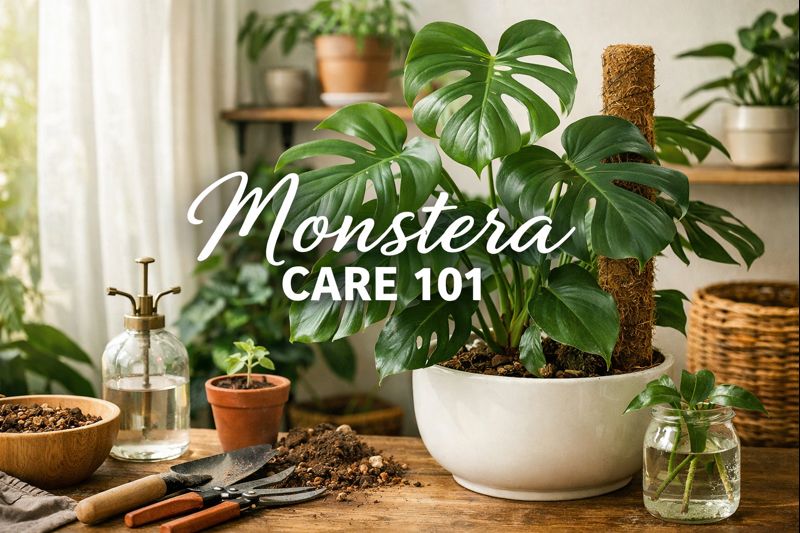
How to Grow a Lush, Fenestrated Plant Indoors
I still remember the first Monstera I owned. It sat in the corner of my small apartment, leaves wide and glossy, looking confident in a way I was not. I thought owning it meant instant jungle vibes, but plants have a way of humbling you, don’t they?
Monsteras are generous plants, but they are also honest. They show you when something feels right and when something is off. If you are growing one indoors, especially in an apartment, learning to read those signs is where the real joy begins.
Getting to Know Your Monstera
Monstera deliciosa comes from warm, humid forests where light filters gently through tall trees. It is not a ground plant in the way we imagine. In nature, it climbs, stretches, and leans into better light.
That climbing instinct does not disappear indoors. Even in a living room, your Monstera is quietly looking upward, figuring out how to grow big without breaking itself.
Why Those Leaves Split at All
Those famous holes are not decoration. They are survival tools shaped by wind, rain, and falling debris in the wild. Fenestration helps large leaves stay intact instead of tearing.
Indoors, splits come with maturity, good light, and patience. A young plant with solid leaves is not failing. It is simply growing up.
Finding the Right Spot Indoors
Light is the quiet driver of everything your Monstera does. Bright indirect light is ideal, which sounds vague until you see it in action. Think of a room where the sun shows up but does not stare directly.
Too much sun can scorch leaves, while too little leads to slow growth and floppy stems. That balance is often near a window with a sheer curtain or a few steps back from glass.
Apartment Light Realities
Apartments rarely have perfect light, and that is okay. Monsteras adapt better than most plants. They may grow slower, but they will still grow.
If your plant leans dramatically in one direction, it is asking for more light. Turning the pot every week or two can help it grow evenly without stress.
Temperature and Air Matter More Than You Think
Monsteras like warmth, but not extremes. Rooms that stay comfortably warm for humans usually work for them too. Cold drafts from windows or air conditioners can quietly cause leaf damage.
Humidity helps leaves unfurl smoothly, but you do not need a rainforest. Grouping plants together or placing a water tray nearby often does more than expensive gadgets.
Soil That Actually Supports Growth
Regular garden soil is too heavy for Monstera roots. They like air around them, not soggy pressure. A loose mix that drains well makes all the difference.
I usually recommend a blend that feels light in your hand. When soil breathes, roots do too, and healthy roots mean confident leaves.
Choosing the Right Pot
Drainage holes are non negotiable. Without them, water lingers where roots cannot escape. That is how rot sneaks in quietly.
A pot that is slightly snug is better than one that is oversized. Monsteras grow best when roots feel supported rather than lost in too much space.
Watering Without Overthinking It
Watering is where most people panic. The truth is simpler than it seems. Let the top layer of soil dry before watering again.
If the pot feels heavy and cool, wait. If it feels light and dry, water slowly until excess drains out. Plants prefer rhythm over schedules.
Signs You Are Giving Too Much Water
Yellow leaves often tell a story of excess rather than neglect. Roots that sit in wet soil struggle to breathe, and leaves respond by fading.
Drooping can also come from overwatering, which confuses many people. When roots are unhappy, the entire plant loses its posture.
When Water Is Not Enough
Crispy edges and curling leaves often point to dryness. That dryness may come from soil, air, or both. It is rarely just one factor.
A little observation goes a long way. Touch the soil, feel the air, and notice how quickly water disappears after you pour it in.
Feeding Your Monstera Gently
Indoor plants rely on us for nutrients. Over time, soil runs out of what leaves need to grow large and strong.
A balanced liquid fertilizer during the growing season is usually enough. Less is better than more, since roots can only take in so much at once.
Why Support Changes Everything
Monsteras want to climb. Without support, they sprawl outward and take up space. With a moss pole or stake, growth becomes upright and focused.
Attaching stems gently encourages larger leaves and stronger structure. It also makes the plant look more intentional in a small living space.
Pruning Is Not Cruel
Removing damaged or aging leaves helps the plant redirect energy. Think of it as editing, not cutting back life.
Clean tools matter here. Sharp scissors make cleaner cuts and reduce stress. Your Monstera notices these small details even if you do not.
Cleaning Leaves for Health
Dust blocks light, and light feeds leaves. Wiping leaves with a damp cloth improves photosynthesis and keeps pests away.
This simple habit also helps you notice changes early. Spots, pests, or texture shifts stand out when you actually touch the plant.
Propagating When the Time Feels Right
Propagation is both science and intuition. When your plant has multiple nodes and healthy growth, it is ready to share itself.
Cuttings placed in water often root quickly, especially in warm rooms. Watching roots form is oddly comforting, like proof that growth wants to happen.
Soil or Water for Cuttings
Water propagation lets you see progress, which reassures beginners. Soil propagation skips a step but requires patience.
Neither method is superior. What matters is warmth, clean cuts, and gentle care while roots establish themselves.
Common Problems and Honest Fixes
Yellow leaves, brown tips, and slow growth are part of learning. They do not mean you are bad at plant care.
Most issues trace back to light or water. Adjust one thing at a time and give the plant space to respond.
Dealing With Pests Calmly
Spider mites and mealybugs show up quietly. Early detection makes treatment easy and stress free.
Regular leaf cleaning and good airflow prevent most infestations. Healthy plants defend themselves better than struggling ones.
How Long Until It Looks Like the Pictures
Monsteras grow at their own pace. Fenestration often begins after the plant matures and settles into its environment.
Chasing quick results usually leads to frustration. Consistency rewards you slowly, then all at once.
Small Habits That Make a Big Difference
Rotating the pot, checking drainage, and avoiding sudden moves help more than fancy tools. Plants value stability.
Even small apartments can support thriving Monsteras when care feels intentional rather than obsessive.
Living With a Monstera Long Term
These plants become part of your space and your routine. They mark time through new leaves and changing shapes.
Watching one grow teaches patience in a quiet way. It reminds you that growth is happening even when it feels slow.
Final Thoughts
Growing a lush, fenestrated Monstera indoors is less about perfection and more about paying attention. You learn by observing, adjusting, and forgiving mistakes.
Plants do not rush, and they do not hold grudges. If you give your Monstera time, light, and a little care, what might it teach you about growing alongside it?