The ZZ Plant Survival Guide for Forgetful Plant Parents
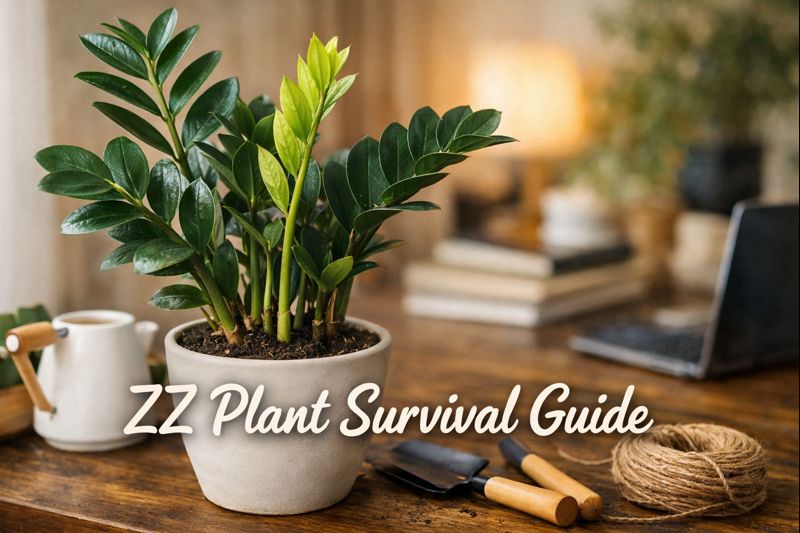
The ZZ Plant Survival Guide
If you have ever looked at a houseplant and thought, I meant to water you last week, then quietly hoped it would forgive you, you are not alone. I have worked with plants for years, and I still forget sometimes. Life fills up. Days blur together. The ZZ plant seems to notice none of it.
This plant has a calm presence. It does not wilt dramatically or drop leaves to make a point. It simply waits. That alone makes it special, especially for people who love plants but do not always remember every care task on time.
The ZZ plant feels like it was designed for real people. Students with exams. Professionals working late. Apartment dwellers with low light corners. Office workers who only notice their plant on Mondays. Sound familiar?
Why the ZZ Plant Understands Forgetfulness
The ZZ plant did not evolve in a place where water showed up on schedule. In its natural environment, rain is unpredictable and sometimes absent for long stretches. That history shows up in how the plant behaves indoors.
Instead of reacting quickly, it moves slowly. It stores energy. It waits things out. This is not laziness. It is strategy. And it is the reason this plant forgives missed waterings without holding a grudge.
As a botanist, I find this deeply comforting. Plants like this remind us that survival does not always look busy or dramatic. Sometimes it looks quiet and patient.
The Underground Secret Most People Never See
The real magic of the ZZ plant happens below the soil. Under the surface, thick rhizomes sit quietly, storing water and nutrients like a savings account for hard times. You could forget to water for weeks and the plant would simply dip into its reserves.
Many beginners focus only on leaves. Leaves matter, yes, but they are not the whole story. With ZZ plants, the underground system is doing most of the work while the top stays polished and calm.
This hidden strength is why overwatering causes more harm than neglect. When the rhizomes stay wet too long, they cannot breathe. Rot follows. The plant struggles not because you forgot it, but because you tried too hard.
Light That Works in the Real World
There is a lot of confusing advice about light. Bright indirect light. Medium light. Filtered light. It can start to feel like a test you did not study for. The ZZ plant quietly ignores most of that stress.
It survives in low light. Offices. Hallways. Corners of apartments that never see direct sun. Will it grow fast there? No. But it will live, and it will stay healthy.
In brighter spaces, growth is quicker and leaves may look a bit fuller. But survival does not depend on perfect placement. This is a plant that understands compromise.
Watering Without a Schedule
If you rely on a calendar to tell you when to water, the ZZ plant may confuse you. Weeks can pass without any visible change. The soil dries out. The leaves stay firm. Everything looks fine.
That is because it usually is fine. Water only when the soil is fully dry. Stick a finger down. Feel it. Trust what you notice instead of what you planned.
For forgetful plant parents, this is freeing. There is no punishment for being late. There is only a gentle reminder that plants have their own sense of time.
Slow Growth Is Not a Warning Sign
Many people worry when nothing happens. No new leaves. No dramatic change. Just the same glossy stems month after month. Is the plant bored? Is something wrong?
This is normal. The ZZ plant grows when it feels ready. Sometimes that means months of stillness followed by sudden shoots pushing up from the soil. Growth happens in bursts, not routines.
Watching this teaches patience. It also teaches trust. Not everything healthy looks busy.
Signs Your ZZ Plant Is Actually Happy
A healthy ZZ plant feels firm. The stems stand upright. The leaves look smooth and waxy, not dull or wrinkled. Even without new growth, these signs matter.
Occasional yellowing of an older leaf can happen. Plants age. Leaves retire. This is not failure. It is life moving forward.
The absence of drama is often the best sign of success with this plant.
When Forgetting Turns Into Overdoing
Most problems with ZZ plants come from care given too often, not too little. Yellow leaves combined with soft stems usually point to excess water. A sour smell from the soil is another clue.
If this happens, pause. Let the soil dry fully. Check drainage. Do not panic repot unless rot is severe. The plant often recovers if given time and air.
Gentleness matters here. The ZZ plant does not need rescue. It needs space to reset.
Choosing Pots and Soil That Forgive Mistakes
Good drainage is your best ally. A pot with holes and a loose soil mix allow water to move through instead of pooling. This reduces risk even if watering habits are inconsistent.
Heavy decorative pots without drainage can work, but only if you are very careful. For beginners, simplicity is safer.
Repotting is rare with this plant. It enjoys being slightly snug. Disturb it only when growth truly demands more room.
Fertilizer Is Optional
This plant does not ask for much food. In fact, too much fertilizer can stress it. A light feeding during active growth is enough, and even that is not mandatory.
If you forget to fertilize, nothing terrible happens. The plant carries on quietly, using what it already has stored.
This is another reminder that not all plants need constant input to thrive.
Why Offices Love the ZZ Plant
Office environments are tough. Artificial light. Air conditioning. Long weekends without care. Many plants give up under these conditions.
The ZZ plant does not. It stands on desks and in corners like it belongs there. It does not complain about fluorescent lights or missed Fridays.
For workplace plant owners, this reliability builds confidence. It turns plant care into something manageable instead of stressful.
Living With a Plant That Does Not Judge You
There is something emotionally grounding about owning a plant that does not react to every mistake. The ZZ plant allows room for learning. It allows room for busy lives.
It fits small apartments where light is limited. It fits warm climates where indoor conditions stay stable. It fits people who are trying, even if they are not perfect.
As a botanist, I see this plant as a quiet teacher. It shows that survival can be steady. That resilience can look calm.
Common Myths That Add Unnecessary Stress
Some believe the ZZ plant needs constant bright light. Others think yellow leaves always mean death. Neither is true.
This plant is adaptable. It responds slowly. It does not follow strict rules. Understanding that removes much of the anxiety new plant owners feel.
When care becomes observation instead of control, everything feels lighter.
Building Confidence Through Low Maintenance Success
Many people start their plant journey with a ZZ plant and do not realize how much it teaches them. Patience. Observation. Trust in natural rhythms.
Success with this plant often leads to confidence with others. It becomes a gateway to a deeper relationship with indoor plants.
That is a powerful thing, especially for beginners.
A Gentle Conclusion for Forgetful Plant Parents
If you forget sometimes, you are human. If your schedule changes, that is life. The ZZ plant meets you where you are and asks very little in return.
It grows slowly, forgives often, and reminds us that care does not have to be perfect to be meaningful. Sometimes consistency is less important than attention over time.
So if you are looking for a plant that fits into your life instead of reshaping it, maybe the ZZ plant has been waiting patiently for you all along, do you think?