Snake Plant Varieties: 20 Beautiful Types You Should Know Before Buying
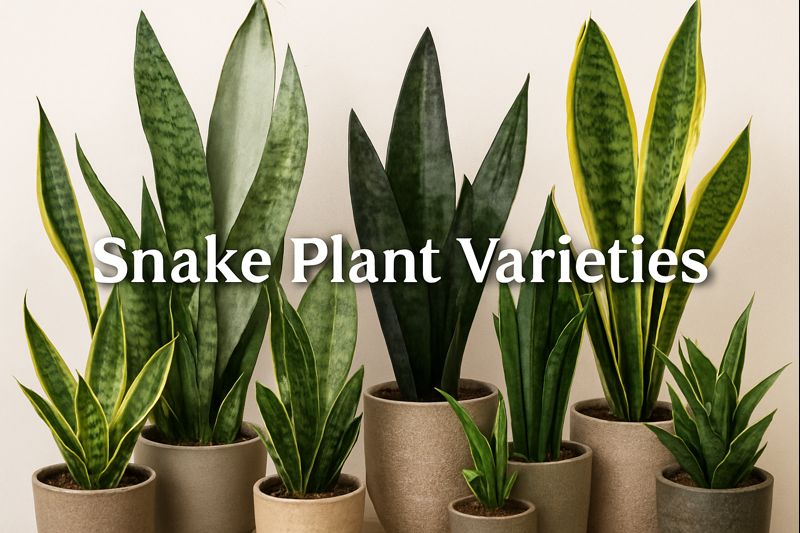
snake plants varieties you should know before buying
If you’ve ever walked into a plant shop and felt overwhelmed by the rows of tall, upright leaves, you’re not alone. Snake plants are everywhere these days. Some people call them the beginner’s dream, and honestly, they are. They tolerate a bit of neglect, they clean the air, and they somehow manage to look stunning whether you put them on a windowsill or a living room corner. But here’s the thing: snake plants are not all the same. There’s a whole universe of shapes, colors, and sizes hiding under that one simple name.
You might think, I’ll just grab the first one I see. But then you notice a plant with silvery leaves or a paddle-shaped one that looks like a whale fin, and suddenly your inner plant enthusiast is curious. Should you get the classic tall one with yellow edges or something a bit more unusual? Choosing the right variety can feel like picking a friend for life. Some will grow fast, some stay compact, and some demand a bit more attention. Knowing the differences will save you time, money, and a lot of heartache.
What Makes Snake Plants So Popular?
Snake plants are basically the rockstars of indoor greenery. They thrive in low light, handle occasional forgetting, and even a small apartment can accommodate one. You don’t need to have a green thumb or a sunlit window facing south. They’re just tough. And let’s be honest, a tall snake plant in a pretty pot adds a certain calmness to a space.
Beyond that, they’re beautiful. The leaves come in all shades of green, some with yellow edges, others with silver tones, or even dark green that almost looks black. Each variety has its own personality. Some make bold statements, others quietly enhance your décor. For a busy or forgetful plant parent, a snake plant feels like an ally more than a responsibility.
Understanding Snake Plant Categories
If you’re new, you might not realize that snake plants are more than one species. Most belong to the Dracaena trifasciata group, which used to be called Sansevieria trifasciata. Yes, the names have changed, and that can be confusing. Other varieties like Dracaena cylindrica or Dracaena masoniana bring a whole new shape to the table. Some are sword-like, some are cylindrical, and others are big paddles that look like they came from another planet.
Leaf shape really matters when choosing a plant. Tall and straight? Great for a corner that needs height. Short and compact? Perfect for a desk or a coffee table. Rosette forms and star-shaped leaves are excellent for small spaces or if you love plants that look sculptural. Learning a little about the types before you buy makes all the difference.
20 Beautiful Snake Plant Varieties You Should Know Before Buying
1. Laurentii
This is the classic snake plant. Tall, upright leaves with yellow edges. It’s the one most beginners recognize instantly. Hard to kill and dramatic enough for any room.
2. Zeylanica
Dark green leaves with wavy horizontal patterns. It tolerates shade really well and adds a subtle texture to corners that need some greenery.
3. Moonshine
Silvery-green leaves make this plant look almost ghostly. Modern apartments love it. It can stand out on its own or complement other leafy friends.
4. Black Coral
Almost black leaves with deep green markings. If you want a plant that feels elegant and bold, this one is a winner.
5. Whitney
Compact with white variegation. Ideal for desks, bookshelves, or anywhere a smaller snake plant can quietly shine.
6. Futura Superba
Shorter cousin of Laurentii. Bright golden edges, perfect for brightening up a dull corner.
7. Golden Flame
Its yellow center is impossible to miss. It adds drama and color without feeling overwhelming.
8. Jade Marginata
Dark green leaves with thin lighter edges. Subtle, yet sophisticated. It quietly adds class to any room.
9. Whale Fin
Also called Dracaena masoniana. Huge paddle-shaped leaves make a statement instantly. Great if you have the space and want a conversation starter.
10. Variegated Whale Fin
Creamy streaks on that massive leaf make this one rare and collectible. Not every plant store carries it, so spotting one feels special.
11. Cylindrica
Cylindrical spear-shaped leaves. You can leave them natural or braid them for a sculptural look. Super cool for modern interiors.
12. Starfish
Compact and star-shaped. It’s unique, small, and perfect for a tabletop or windowsill garden.
13. Kirkii
Beautifully patterned leaves. Slow-growing but extremely rewarding to watch over time. Adds subtle flair to any plant collection.
14. Coppertone
Bronze-toned leaves that catch the light in interesting ways. A little drama without being overpowering.
15. Hyacinthoides
Long, arching leaves give a more wild and natural look. It’s like bringing a piece of the outdoors inside.
16. Ballyi
Dwarf snake plant with grasslike rosettes. Excellent for small spaces or if you love miniatures.
17. Samurai Dwarf
Stacked, geometric growth pattern. Popular among collectors and perfect if you want something a bit different.
18. Kenya Hyacinth
Clumping rosettes that can even flower with a sweet fragrance. A bit more finicky but worth the effort for the scent alone.
19. Boncel
A chubbier starfish type. Very architectural. Looks great in a minimalist pot on a side table.
20. Black Gold
Deep green leaves with bright yellow edges. A contrast that’s hard to ignore, perfect for living rooms that need a little punch.
How to Choose the Right Snake Plant Variety
Think about your light first. Some varieties like Moonshine or Whale Fin can tolerate moderate light, but others need a bit more brightness to thrive. Consider space too. Tall, sword-like types might overwhelm a tiny apartment, while compact or rosette forms are perfect for desks and shelves.
Maintenance is another factor. Most snake plants are forgiving, but some variegated or rare types might need a little more attention. And of course, your aesthetic matters. Do you want bold contrast, subtle elegance, or something playful? Your choice will reflect not just your space, but your personality too.
Care Tips for All Snake Plant Varieties
Snake plants are not demanding, but a little care goes a long way. They need well-draining soil and a pot that doesn’t trap water. Overwatering is their biggest enemy. A light watering once a month is often enough for many indoor settings.
Light requirements are flexible, but some indirect sunlight will keep variegation vivid and leaves strong. Fertilize lightly in spring and summer, and don’t worry too much in fall and winter. Propagation is surprisingly easy. You can divide rhizomes or use leaf cuttings to create a new plant. Watching new growth appear feels like a small miracle every time.
Common Questions Beginners Ask
Why do snake plant leaves fall over? Usually, it’s overwatering. They like to feel a bit dry between drinks. Can snake plants live in rooms with no windows? Yes, but growth will slow, and variegation may fade. Why is my snake plant turning yellow? That is usually a sign of too much water or stress from sudden temperature changes.
How fast do snake plants grow? Patience is key. Most varieties grow slowly, but that’s part of the charm. Are snake plants toxic to pets? Mildly. A curious cat or dog might get a tummy ache, but they are generally safe if not chewed excessively. These plants give more than they take, as long as you respect their limits.
Final Thoughts
Snake plants are forgiving companions, quiet but striking, and endlessly diverse. They teach you patience, a little curiosity, and the joy of watching something grow under your care. Choosing the right variety can make a room come alive or add subtle elegance to a cozy corner.
Whether you are a beginner, a collector, or just looking for a plant that fits your apartment perfectly, there’s a snake plant out there waiting for you. They are low-maintenance, stylish, and a reminder that sometimes the simplest plants bring the most joy.
So next time you see a row of snake plants in a shop, pause. Which one speaks to you?