Snake Plant Care: The Ultimate Beginner Friendly Guide for a Thriving Indoor Plant
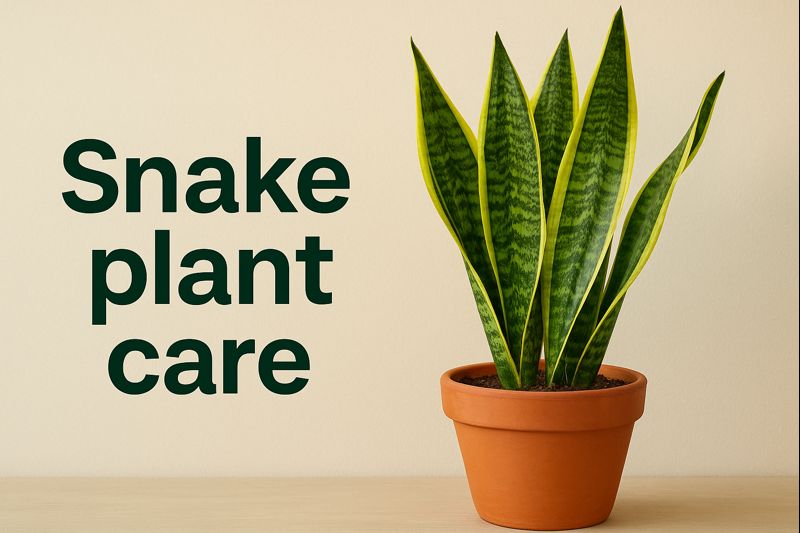
Simple care tips for growing a healthy snake plant without stress
If you have ever looked around your home and felt like something is missing, a snake plant might be exactly what you need. It has a quiet confidence that fits into any room whether you live in a tiny apartment or a busy family house. People often tell me they want a plant that can survive forgetful days, long weekends away, and the occasional overwatered moment, and I always smile because this plant is perfect for that kind of life.
I have kept snake plants for years and they have followed me from cramped dorm rooms to brighter grown up spaces. They have survived inconsistent watering, bad lighting choices, noisy pets, and everything in between. If you are new to indoor gardening or you simply want something easy that still brings life into a room, this plant will feel like a small gift every day.
Why Snake Plants Feel So Beginner Friendly
Snake plants seem to carry an unbothered personality that new plant parents appreciate more than they expect. They do not wilt dramatically or demand daily attention the way some plants do. They simply grow when they feel ready and wait patiently when conditions are not ideal.
Many people worry about killing their first few plants and the fear alone stops them from trying. A snake plant removes a lot of that pressure. It tolerates low maintenance routines and still manages to look elegant in any setting. It is the kind of plant that forgives you even before you make mistakes.
Getting to Know Your Snake Plant
The snake plant, known in botany circles as Dracaena trifasciata, originally comes from parts of West Africa. The leaves rise in upright blades with patterns that look almost hand painted. There is something calming about the way they stand, almost like they are guarding the room.
Gardeners also call it mother in law’s tongue which always makes people laugh the first time they hear it. The name comes from the sharp look of the leaves though the plant itself is one of the easiest companions you can introduce into your space. It holds its structure with a kind of elegance that never feels forced.
A Few Popular Varieties You Might See
There are classic varieties like the tall green and yellow Laurentii which so many homes already adore. You will also find Moonshine which has soft silver colored leaves that brighten a room without trying too hard. Zeylanica is another familiar option with dark green leaves and calm streaks that make it feel dependable and grounded.
If you prefer something compact, the Hahnii group creates rosette shaped plants that sit comfortably on desks and side tables. There are also deeper varieties like Black Coral that bring richer tones into a minimalist room. You do not need to memorize these names, but it helps to know that snake plants come in many personalities.
Finding the Right Spot in Your Home
A snake plant can handle low light better than almost any other indoor plant you will meet. It will not grow quickly in dark corners, but it will sit calmly and wait for brighter days without making a scene. Many people keep it in hallways, bathrooms, bedrooms, and offices because it adapts so easily.
That said, if you want your plant to grow strong new leaves, a brighter spot with indirect sunlight is better. A window that gets soft morning light works beautifully. If you place it near a strong afternoon sunbeam, watch for clues that the light is too much, like pale patches or crisp edges.
Light can shift throughout the year, so pay a little attention to how your plant behaves. If the leaves start leaning or stretching, it may be searching for a gentler or slightly brighter location. You will figure out the balance through simple observation rather than strict rules.
Watering Your Snake Plant Without Overthinking It
This is the part beginners stress about the most, which is funny because snake plants prefer being forgotten sometimes. You do not need a complicated schedule. Most of the time, watering every two to four weeks works well, and even that depends on the dryness of your environment.
Before adding water, touch the soil with your fingers. If it feels dry two or three inches deep, then it is ready. You can also lift the pot and check its weight because dry soil feels much lighter. These small checks help you avoid the biggest enemy of snake plants which is soggy roots.
Overwatering is the only habit that consistently harms this plant. If water gathers in the bottom tray or the pot sits in a puddle for hours, the roots may begin to soften. It takes time to notice the damage, which is why light watering and patience are always safer than frequent watering.
Choosing the Right Soil and Pot
Snake plants like soil that drains quickly. A mix made for succulents usually works perfectly because it keeps water from sitting too long around the roots. If you enjoy mixing your own soil, a blend of potting soil with perlite and a bit of sand makes a breathable base that the plant appreciates.
Your pot should always have drainage holes. Terracotta pots are great for beginners because they let moisture escape through the sides. Ceramic and plastic pots also work but watch the watering a little more closely because they hold moisture longer.
If your plant begins to feel cramped or the leaves start pushing against each other, you can repot it into something slightly larger. Gently loosen the roots, set it into fresh soil, and water lightly. Repotting usually only needs to happen every couple of years.
Feeding Your Snake Plant for Healthy Growth
Snake plants do not crave constant feeding. A simple balanced fertilizer given every six to eight weeks during the growing season is more than enough. You can skip feeding in the colder months because most indoor plants rest during that time.
Be careful not to overfeed. Too much fertilizer can cause brown tips or strange discoloration that takes a while to fix. Light feeding feels right for this plant because it naturally grows at a calm pace.
When you do feed it, mix the fertilizer into water and spread it evenly across the soil. Small habits like this help the plant maintain steady and healthy growth without overwhelming its simple nature.
Simple Ways to Propagate Your Snake Plant
Propagation is one of the most enjoyable parts of caring for snake plants. It gives you new plants to keep or to share, and the process feels gentle and rewarding. Many beginners are surprised by how easy it is.
Water propagation is one of the most popular methods. You take a leaf cutting, let it form a small callus, and place it in a glass of clean water. Eventually, roots begin to appear and you can watch the entire process in real time which feels magical in a quiet way.
Soil propagation works too. Leaf cuttings can be planted directly into soil if you prefer a more traditional approach. You can also divide the plant if it has grown into a dense cluster because each section already has roots. This method works best for variegated types that sometimes lose their pattern when grown from leaf cuttings.
Common Problems You Might Notice
Even though snake plants are sturdy, they still communicate when something is off. Root rot is the problem people see the most. The leaves may look soft or begin to collapse, and the soil stays wet for too long. If you catch it early, remove the plant from the pot, trim any mushy roots, and repot it into dry soil.
Brown tips can show up because of inconsistent watering, dry indoor air, or mineral buildup from tap water. These tips will not turn green again, but trimming them slightly can improve the shape of the plant. Gentle care going forward is usually all it needs.
Pests are rare but can appear during warm seasons. Mealybugs and spider mites hide in tight spaces between the leaves. A soft cloth with diluted neem oil usually clears them away. Check the plant regularly so you never have to deal with a major infestation.
Slow growth happens when the plant wants better lighting or a small amount of nutrition. Sometimes it simply grows slowly because that is its natural pace. Be patient and let the plant guide you rather than expecting constant change.
Snake Plants and Pets at Home
Some pet owners worry about bringing new plants into spaces shared with cats or dogs. Snake plants are mildly toxic if eaten, so it is best to place them on shelves or in spots where curious pets cannot reach them easily. Most pets ignore the thick leaves, but it is still wise to be aware of this.
If your pet ever manages to chew on a leaf, watch for signs like drooling or mild stomach discomfort. These situations are rare, and most households enjoy both pets and snake plants without any problems.
Why Snake Plants Improve Your Living Space
Many people keep snake plants because they quietly make rooms feel fresher. They stay green throughout the year and ask for little in return. The tall upright leaves bring structure to a room which can soften empty corners and improve the overall feeling of your space.
They also help filter indoor air in a gentle, natural way. While they are not miracle workers, they do contribute to a calmer environment. Some people keep them in bedrooms because they release oxygen at night which makes the space feel soothing.
Adding a snake plant to your home feels like adding a peaceful companion. It never demands attention yet it continues to offer its presence in a steady and reliable way.
Frequently Asked Questions
Many beginners wonder how long snake plants live, and the answer often surprises them. With simple care, these plants can live for several decades. They grow slowly but steadily and become part of your home in a comforting way.
People also ask if snake plants can grow outdoors. They can in warm climates where temperatures stay above cold levels most of the year. If you bring your plant outside, protect it from heavy rain so the soil does not stay soaked.
If your leaves begin to curl, the plant might be thirsty or receiving too much direct light. Adjust one thing at a time until it finds its balance again. Small changes often make a big difference.
A Warm Message to Wrap Things Up
Caring for a snake plant is much simpler than most beginners imagine. The plant teaches you to pay attention without overreacting and to observe without rushing. It is forgiving, steady, and patient which makes it an ideal first step into the world of indoor gardening.
If your home feels a little empty or your days feel too busy for complicated routines, this plant fits right in. It grows with you and quietly fills your space with a sense of calm. Are you ready to bring one home and see what it adds to your everyday life?